Lianyungang, Jiangsu Sep 1, 2026 (Issuewire.com) - Addressing Baseline Drift Through Source Purity and Precision Controls
Why do identical laboratory protocols yield inconsistent analytical baselines across different testing cycles? When researchers experience unexpected baseline drift during high-sensitivity trace element analyses or high-temperature synthesis, the issue rarely stems from volumetric deviations in common lab glass. Instead, sub-ppm metal ion leaching and micro-strains from inadequate thermal annealing are the primary silent variables. Securing a reliable custom quartz laboratory ware factory from China helps research institutions and industrial labs eliminate these hidden experimental discrepancies. By utilizing high-purity natural quartz raw materials with silicon dioxide purity reaching 99.99% (4N grade) from Donghai County, Lianyungang Southeast Quartz Products Co., Ltd. locks down trace impurities right at the material source, establishing a stable foundation for precise scientific testing.
- Material Purity and Thermal Baseline: Raw silicon dioxide purity reaching 99.99% or higher (4N grade) provides continuous thermal resistance up to 1200°C with a softening point at 1780°C and resistance to acid corrosion excluding hydrofluoric acid.
- Structural Integrity and Accurate Interfaces: Precision-ground joints including standard taper or spherical joints, custom flanges, side ports, and beveled edges are crafted through stress-relieved precision flame working.
- Verification and Reproducibility Controls: Batch material traceability certificates accompany components alongside triple inspection covering helium leak detection, pressure testing, and purity verification, supported by rapid custom prototyping in 5 to 10 days.
Eliminating Non-Geometric Variables: Reaction Media and Thermal Thresholds
When selecting custom quartz laboratory ware, technical teams often focus first on dimensional specifications such as length, outer diameter, or volumetric capacity. However, matching the physical vessel to the chemical and thermal environment takes precedence over basic geometry. Standard borosilicate glass softens at around 560°C and releases alkali metal ions when exposed to acidic solutions at elevated temperatures. High-purity fused quartz laboratory ware operates at continuous service temperatures up to 1200°C, with a softening point reaching 1780°C.
Chemical compatibility represents another decisive factor. High-purity fused silica exhibits exceptional resistance to nearly all acids, including concentrated nitric, sulfuric, and hydrochloric acids at high operating temperatures. Hydrofluoric acid and phosphoric acid above 150°C remain the only notable exceptions.
Before confirming vessel shapes or tube lengths, laboratory engineers must map out reaction media, operating pressure, and thermal ramping cycles. Lianyungang Southeast Quartz Products Co., Ltd. processes raw high-purity quartz into customized vessel structures designed specifically for demanding environments such as vacuum synthesis, atmosphere-controlled heating, and tri-acid digestions. Matching thermal shock resistance with chemical inertia ensures that structural integrity is maintained under aggressive processing conditions.
Experimental Reproducibility and Custom Fabrication Verification
In long-term multi-year research projects, changing a broken digestion tube or custom flask should never alter experimental outcomes. True value in specialized quartzware lies in batch-to-batch reproducibility rather than catalog unit pricing. When dimensional tolerances vary, or internal stress remains inside fabricated quartz pieces, localized thermal expansion can cause structural failure or subtle volumetric shifts during reaction cycles.
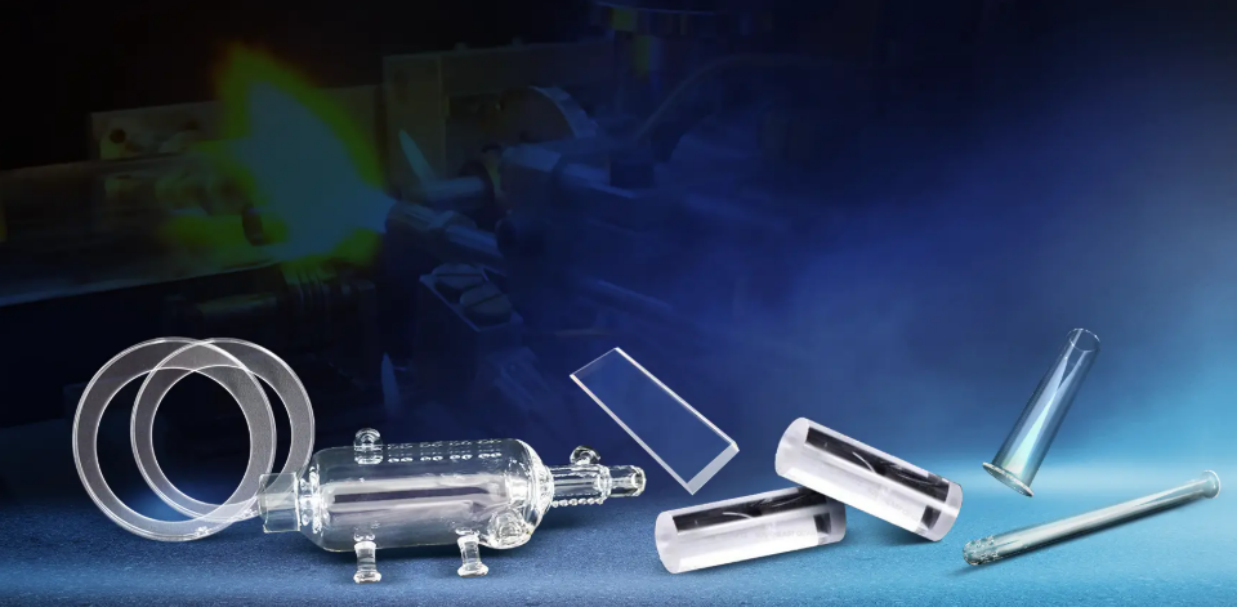
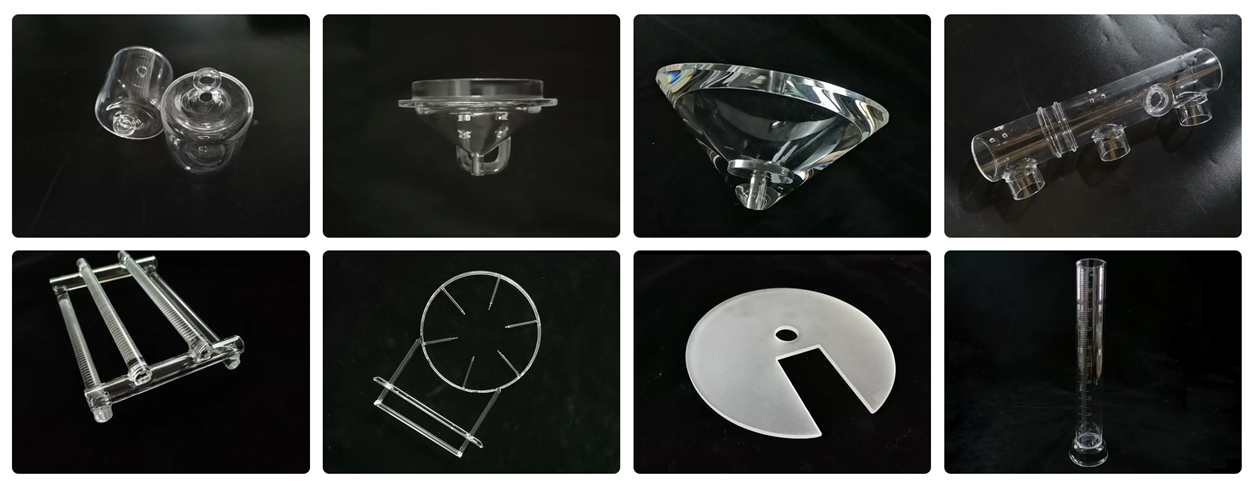
Custom manufacturing capabilities allow research laboratories to tailor component geometry directly to complex experimental setups. Southeast Quartz fabricates specialized quartz items based on client technical drawings or physical samples, including specialized beakers, multi-neck reaction vessels, condensers, distillers, and complex helical coil configurations.
- Design Assessment and Material Selection: Technical drawings or physical samples are evaluated to select appropriate 4N high-purity quartz stock.
- Precision Flame Working and Annealing: Expert glassblowers fabricate intricate shapes and relieve internal mechanical stress through controlled thermal annealing.
- Quality Inspection and Certification: Finished products undergo helium mass spectrometry leak testing, pressure verification, and purity testing before dispatch.
To eliminate component variation across multi-year testing schedules, Southeast Quartz subjects custom pieces to rigorous quality controls. Finished products undergo material certification, precise dimensional logging, and a triple-inspection process covering helium mass spectrometry leak detection, structural pressure testing, and purity verification. This strict protocol ensures that custom components integrated into multi-stage setups maintain complete dimensional and structural consistency whenever replacement parts are ordered.
Interface Precision and Prototyping Workflows
Custom laboratory apparatus often requires integration into larger analytical systems, vacuum lines, or high-temperature furnaces. Secure connection points prevent gas leakage and atmospheric contamination during sensitive reactions. Technical teams must define interface requirements early in the design stage, specifying ground glass joints, high-vacuum flanges, side branches, or specialized beveled edges based on system schematics.
Working with an experienced quartz laboratory ware factory streamlines the transition from initial concept to full installation. Standardized hot-working equipment and precision grinding tools enable tight control over joint taper accuracy and surface roughness.
For specialized experimental setups, Lianyungang Southeast Quartz Products Co., Ltd. provides a rapid 5-to-10-day prototyping process. Laboratory teams can test physical prototypes in real working conditions, verify connection seals, and refine geometric parameters before committing to larger production runs. This structured prototyping workflow reduces component integration risks and avoids costly delays during research commissioning.
Managing Consumable Sourcing as an Experimental Variable Control Strategy
Sourcing specialized scientific equipment works best when treated as an intentional strategy for controlling experimental variables. Selecting a qualified custom quartz laboratory ware factory from China involves evaluating raw material origin, thermal processing standards, custom hot-working techniques, and quality verification systems.
By combining high-purity raw materials from Donghai County with standardized hot-working processes, Southeast Quartz helps research facilities, semiconductor labs, and industrial testing centers maintain consistent experimental baselines. Transforming consumable procurement into a structured component qualification protocol protects research data integrity, improves operating safety, and supports long-term testing repeatability across demanding scientific applications.
Learn more about precision quartz solutions and custom manufacturing capabilities at https://www.dnquartz.com/
Media Contact
Lianyungang Southeast Quartz Products Co.,Ltd. *****@southeastquartz.com +86 13585286180 No. 1 Qingsheng Rd., Qinghu Industrial Park, Donghai County, Jiangsu, China/222300 http://dnquartz.com