
Jinan, Shandong Feb 13, 2026 (Issuewire.com) - The global shift toward renewable energy has accelerated the demand for efficient biomass processing. However, many investors encounter a recurring challenge where standardized, "off-the-shelf" machinery fails to meet the specific physical demands of diverse raw materials. This mismatch often leads to frequent downtime, excessive component wear, and inconsistent pellet quality. To address these systemic inefficiencies, industry leaders are shifting toward Customized Biomass Pellet Machine One-Stop Solutions, a strategic approach that aligns mechanical engineering with the unique biological characteristics of local feedstocks. By integrating precision design with robust manufacturing, these systems ensure that waste-to-energy projects remain economically viable and operationally stable over the long term.
Navigating the Complexity of Biomass Raw Materials
A successful pelletization process begins with a deep understanding of the raw material. Biomass is not a monolithic category; the structural differences between agricultural residues and forestry waste require distinct mechanical treatments. For instance, corn stalks represent a flexible fiber category. These materials are characterized by low bulk density and high moisture variability. Processing them requires a specialized pre-treatment stage where the integration of cutting and dust removal systems prevents clogging and ensures a clean output. Efficient production lines for corn stalks must prioritize high-volume throughput while managing the abrasive nature of silica often found in field residues.
In contrast, woody biomass such as sawdust or timber scraps contains rigid fibers and high lignin content. The processing logic here shifts toward intensive size reduction and high-pressure compression. When handling hardwood or softwood residues, the machinery must exert sufficient force to soften the natural lignin, which acts as the binding agent for the pellets. Large-scale operations, such as those utilizing multiple high-capacity pellet mills in Southeast Asia, demonstrate the necessity of heavy-duty die designs and cooling systems. These components prevent the overheating of rigid fibers, ensuring the final product meets international durability standards.
Structural Synergy in Biomass Engineering
The transition from raw biomass to premium fuel requires a highly synchronized system where each modular stage is optimized for the specific characteristics of the feedstock. Unlike basic setups, BISON’s engineering solutions begin with primary size reduction, utilizing heavy-duty wood chippers or specialized shredders designed to handle everything from large-diameter logs and waste wood with nails to challenging materials like Empty Fruit Bunches (EFB). This initial stage ensures that bulky or contaminated waste is effectively converted into a uniform format, protecting downstream equipment and stabilizing the entire production flow.
The process then moves into secondary refinement via the biomass hammer mill. Here, the focus is on achieving a precise particle size distribution—a critical factor for the subsequent pelletizing phase. By utilizing optimized screen structures and high-speed balanced rotors, the system ensures that the material is neither too coarse (which would increase electricity costs and wear on the ring die) nor too fine.
At the core of this synergy is the high-pressure pellet machine. The engineering focus here is on the customized compression ratio, where the ring die’s hole depth and diameter are precision-calibrated based on the material's lignin content and density—whether it be sawdust, rice husks, or solid waste (RDF). To complete the professional production loop, the system integrates automated cooling and screening modules, ensuring that the final pellets are durable, dust-free, and ready for global export. This structural synergy maximizes equipment lifespan and delivers a high-density energy product that meets international standards.
Engineering Excellence through Large-Scale Implementation
Real-world applications provide the most reliable evidence of engineering proficiency. In Thailand, the deployment of a biomass pellet line featuring six 850 model pellet mills serves as a benchmark for high-capacity industrial production. This configuration manages massive volumes of wood waste, requiring a sophisticated synchronization of material feeding and power distribution. The 850 model machines are specifically chosen for such projects due to their reinforced transmission systems and stability under continuous 24-hour operation. The success of these large-scale installations highlights the importance of matching machine torque with the resistance of the raw material.
Furthermore, the implementation of specialized lines for agricultural waste demonstrates an ability to solve the "low-density" problem. By incorporating advanced shredding and gathering modules before the pelletizing stage, systems can convert voluminous stalks into consistent, pre-conditioned feedstock. These lines often feature integrated dust collection units that maintain a safe working environment and protect the mechanical bearings from fine particulates. This level of technical depth ensures that even "difficult" materials can be processed with the same reliability as traditional wood chips.
Overcoming Operational Hurdles via the EPC Model
For international investors, the technical specifications of a machine are only one part of the success equation. The Engineering, Procurement, and Construction (EPC) model has emerged as the gold standard for delivering biomass projects. This "one-stop" philosophy covers everything from the initial site layout and equipment selection to the final installation and personnel training. By centralizing responsibility, the EPC approach eliminates the integration risks that occur when sourcing components from multiple vendors. This is particularly critical in cross-border projects where local technical support might be limited.
Post-installation maintenance remains a significant concern for biomass plant operators. A comprehensive service framework addresses this by providing customized spare parts packages and remote technical diagnostics. When a production line is designed as a unified system, the wear parts—such as rollers and dies—are optimized for the specific chemical composition of the local feedstock. This proactive engineering reduces the frequency of emergency repairs and extends the total service life of the plant. Investors benefit from a predictable operational expenditure (OPEX) model, which is essential for the long-term profitability of renewable energy ventures.
The Evolution of a Strategic Industry Partner
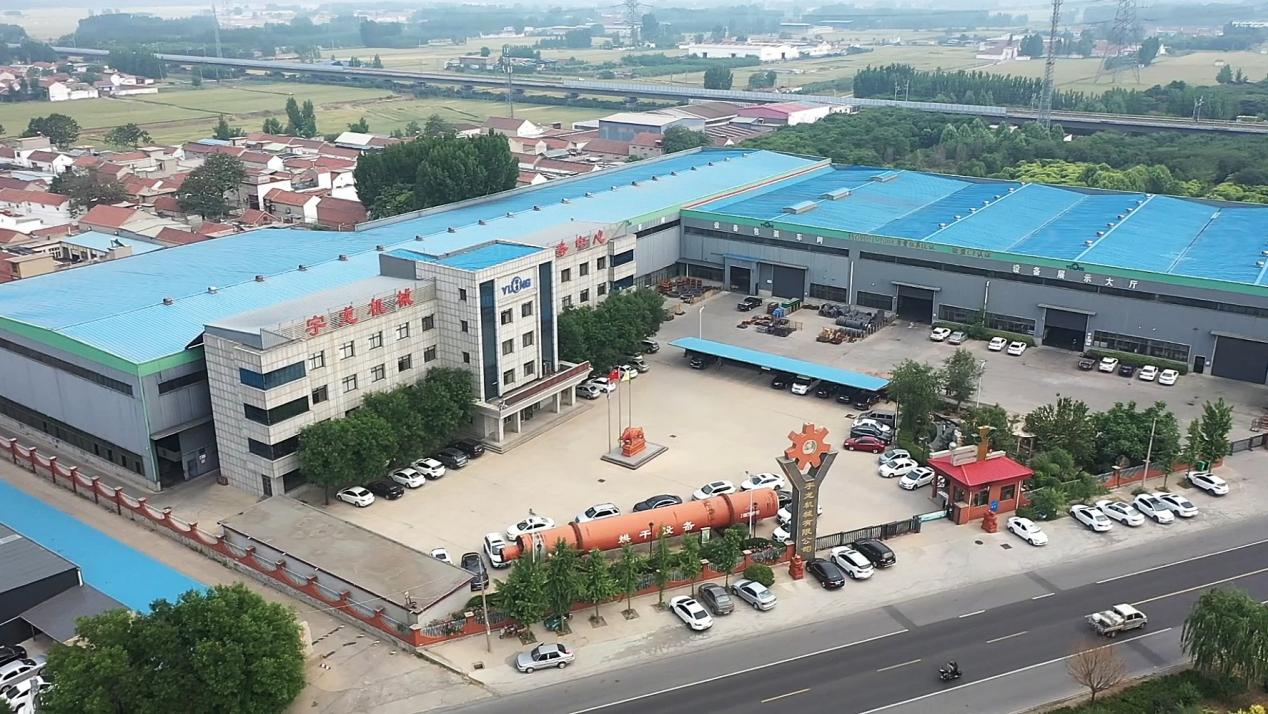
The roots of modern biomass technology lie in decades of iterative development and manufacturing experience. Based in Jinan, Shandong, the transition from the Hualong Machine Factory to the current BISON MACHINE reflects a broader evolution in the energy sector. With over 25 years of history, the organization has moved beyond simple equipment fabrication to become a comprehensive system integrator. This journey involves the continuous fusion of scientific research with practical field data. Today, the focus remains on driving the success of users within the dense forming and biomass industries through technological updates and a commitment to sustainable development.
As a National High-Tech Enterprise, BISON MACHINE specializes in turnkey solutions for medium and large-scale biomass pellet production lines. The global footprint of these systems—reaching Europe, Africa, the Americas, and Southeast Asia—demonstrates the adaptability of the technology to different climates and regulatory environments. By focusing on the research and development of systems for dense forming, the company provides the foundational tools necessary for a carbon-neutral future. This expertise allows the organization to act as more than a vendor; it serves as a biomass energy investment solution provider.
Strategic Investment in a Sustainable Future
Choosing the right biomass solution requires a balance between mechanical durability and process flexibility. A system’s ability to optimize performance for the distinct physical properties of wood-based and straw-based biomass is a key driver of a green energy project’s success. As global regulations on carbon emissions tighten, the efficiency of converting waste into energy becomes a competitive necessity. Systems that offer high thermal efficiency and low maintenance requirements provide a clear path forward for industrial and agricultural enterprises alike.
A comprehensive approach to biomass pelletization ensures that every kilowatt of energy spent in production yields the maximum possible fuel value. Through the seamless integration of primary crushing, secondary pulverizing, industrial drying, and precision pelletizing, operators can establish a highly efficient production line that achieves a truly sustainable circular economy. By prioritizing customized engineering and end-to-end service, stakeholders can navigate the complexities of the biomass market with confidence.
For more information on customized biomass solutions and industrial pellet technology, visit the official website: https://www.bisonpelletmachine.com/.
Media Contact
SHANDONG BISON MACHINE CO., LTD. inquiry@sdbison.cn https://www.bisonpelletmachine.com/