
Jiangyin, Jiangsu Sep 8, 2026 (Issuewire.com) - Have you ever wondered what truly separates high-performance paper mailers from standard protective envelopes? Why are top e-commerce brands rapidly shifting away from traditional bubble wrap in favor of specialized paper structures? How do subtle engineering differences between honeycomb, embossed, corrugated, and glassine materials impact transit protection, operational speed, and environmental sustainability?
As global regulatory frameworks tighten around single-use plastics and consumer demand for eco-conscious fulfillment reaches an all-time high, selecting the right paper packaging machinery has become a strategic priority for fulfillment centers worldwide. Navigating these options requires deep manufacturing expertise, particularly when sourcing industrial equipment from a Top Rated Paper Mailers Machine Exporter from China. Modern paper mailer machinery must deliver not only environmental compliance but also exact structural integrity, high output speed, and seamless versatility across diverse protective paper substrates.
Understanding the Landscape of Sustainable Paper Mailers
The global transition toward paper-based packaging is driven by two distinct imperatives: structural defense and material circularity. While traditional plastic mailers rely on trapped air pockets for cushioning, paper mailers utilize specialized geometric patterns, fiber compression, or structural fluting to absorb shock during logistics transit. Understanding the mechanical differences among the four leading paper mailer types—Honeycomb, Embossed, Corrugated, and Glassine—allows packaging engineers and fulfillment managers to optimize both cost efficiency and product safety.
1. Honeycomb Paper Mailers: Engineering Maximum Shock Absorption
Honeycomb paper mailers rely on a geometric lattice structure inspired by natural hexagonal formations. When raw kraft paper is precision-die-cut with staggered slits and tension-stretched, it expands into a three-dimensional mesh structure. This hexagonal matrix captures ambient air and creates a series of vertical and horizontal support pillars that distribute kinetic force evenly across the surface.
From a machinery standpoint, converting honeycomb paper into padded envelopes requires exceptional tension control and exact adhesive application. Equipment developed by leading manufacturers like HJ Machinery integrates continuous expansion units with automated lining and seam-sealing modules. This ensures the honeycomb core remains evenly expanded without losing structural integrity during high-speed feeding. The resulting mailer provides superior energy dissipation, making it an ideal candidate for shipping fragile glassware, ceramics, and delicate electronics without requiring supplementary void fill.
2. Embossed (Paper Bubble) Mailers: Flexible Surface Cushioning
Embossed paper mailers, often referred to as paper bubble envelopes, represent a direct functional replacement for traditional polyethylene bubble mailers. Instead of air-filled plastic bladders, these mailers utilize mechanical embossing rollers to press dense, multi-layered indentations or "bubbles" directly into heavy-duty kraft paper stock.
The performance of embossed mailers depends on the depth, density, and elasticity of the embossed pattern. High-speed conversion machinery must apply uniform pressure and heat to form permanent, collapse-resistant paper domes. When laminated with a smooth outer paper sheet, the inner embossed layer creates an air-trapping cushion that protects against abrasion, surface scratches, and minor impacts. These mailers are exceptionally lightweight, easy to store, and highly suitable for shipping pharmaceuticals, cosmetics, jewelry, and media products.
3. Corrugated Paper Mailers: Rigid Structural Integrity
Corrugated paper mailers utilize the classic fluted architecture found in standard shipping boxes, scaled down into flexible yet rigid mailing envelopes. The fluted inner layer—typically E-flute or F-flute—is glued between outer kraft liners, providing substantial resistance against puncture, bending, and edge crush.
Manufacturing corrugated mailers requires robust scoring, folding, and gluing capabilities within the machinery line. Because corrugated board possesses higher bending stiffness than standard kraft paper, processing equipment must feature heavy-duty rotary creasing wheels and high-torque feeding systems. Corrugated mailers are preferred for flat or semi-flat items that demand rigid protection against bending during parcel sorting, such as hardcover books, legal documents, framed artwork, and high-end fashion accessories.
4. Glassine Paper Mailers: Smooth, Moisture-Resistant Precision
Glassine represents a unique category in protective paper packaging. Produced through a rigorous calendering process where paper fibers are pressed under extreme heat and pressure, glassine is smooth, translucent, dense, and naturally resistant to grease, air, and moisture without requiring plastic coatings.
In mailer manufacturing, glassine is frequently utilized either as a smooth interior lining to prevent surface scuffing on delicate items or as standalone lightweight envelopes for apparel and inner-pack protection. Conversion machinery running glassine must operate with extreme delicate-material handling, precise cold-glue or hot-melt adhesive dispensing, and static elimination systems. Because glassine is fully recyclable and biodegradable, it serves as the premier sustainable alternative to clear plastic polybags used inside shipping cartons.
Technical Innovations in Paper Mailer Converting Machinery
Achieving high-speed production across varying paper densities requires industrial machinery engineered with uncompromising precision and advanced automation. Converting raw kraft paper into finished, multi-layered padded mailers involves synchronized tension management, inline gluing, precise folding, cut-off indexing, and self-adhesive tape application—all operating seamlessly at high linear speeds.
Advanced Dual-Function Integration
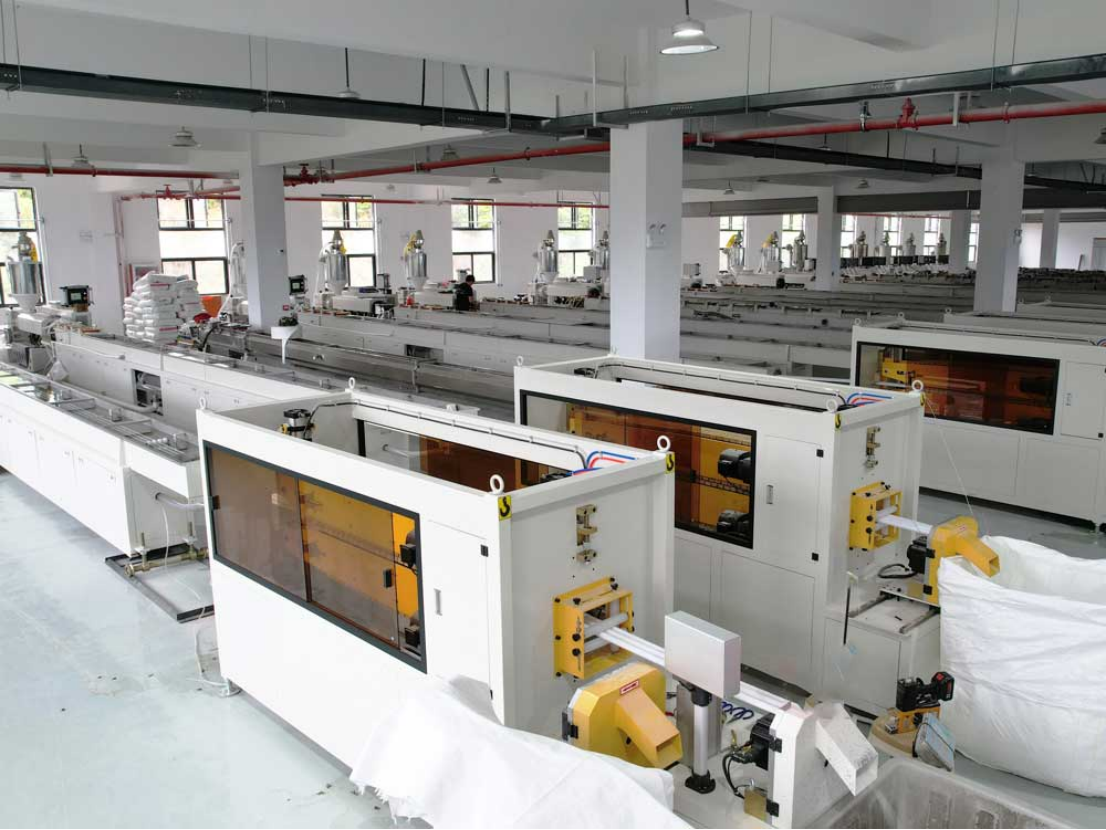
A primary challenge in packaging production facilities is balancing floor space with product versatility. To address this, modern equipment architectures have evolved toward multi-functional integration. A prime example is the high-speed honeycomb and embossed paper padded mailer machine (2-in-1), which allows manufacturers to toggle between producing expanded honeycomb mailers and multi-layered embossed paper bubble envelopes on a single unified platform.
This dual-function capability requires advanced mechanical modularity. The machine integrates quick-change roller cassettes, dual-servo tension regulation, and intelligent temperature control for hot-melt gluing stations. By combining two distinct production processes into a single line, packaging convertors significantly lower capital expenditure while maximizing plant adaptability to changing market demands.
Structural Precision and Precision Manufacturing Details
The durability and performance of a protective paper mailer are directly tied to the manufacturing precision of the converting machine. High-performance lines utilize reinforced steel frames, CNC-machined components, and heavy-duty drive shafts to eliminate vibration during continuous 24/7 operation.
Key technical advancements in modern paper mailer machinery include:
- Precision Servo Drive Systems: Independent servo motors drive material feeding, creasing, and cross-cutting units, ensuring sub-millimeter length precision even during rapid acceleration and deceleration cycles.
- Multi-Stage Inline Gluing: Dual cold-glue and hot-melt spraying modules ensure instant tack and long-term seam strength, preventing envelope bursting during high-pressure parcel handling.
- Integrated Functional Tape Modules: Automated application of double-sided sealing tape and easy-open tear strips enables end-users to enjoy a premium unboxing experience and hassle-free return logistics.
- Raw Material Production Integration: Modern converting ecosystems often link directly with primary substrate manufacturing, such as dedicated honeycomb paper-making machines, establishing a fully integrated line from raw paper rolls to finalized protective mailers.
Operational Advantage and Industrial Impact
The operational benefits of adopting high-speed, automated paper mailer converting machinery extend across the entire supply chain. For packaging convertors and fulfillment operators, transitioning from manual assembly or plastic-heavy processes to automated paper systems yields measurable performance gains:
- Throughput Efficiency: Industrial-grade paper mailer lines achieve operating speeds of up to 100 to 120 pieces per minute, drastically reducing labor requirements while meeting peak e-commerce volume demands.
- Material Optimization: Automated web tension control and precise inline rotary cutting minimize paper trim waste, ensuring maximum yield from raw kraft jumbo rolls.
- 100% Circularity: By utilizing water-based glues, starch adhesives, and pure kraft substrates, the resulting mailers are fully recyclable within standard curbside paper streams, eliminating complex multi-material separation for the end consumer.
Sustainable Packaging Future
As global logistics infrastructure continues to evolve, the demand for high-performance, fully recyclable protective packaging will remain on a steep upward trajectory. The technical convergence of honeycomb, embossed, corrugated, and glassine materials offers tailored protection for every e-commerce category. Backed by over two decades of dedicated manufacturing experience, equipment innovators continue to refine the speed, precision, and sustainability of paper packaging production, empowering global brands to pack faster, protect better, and build a truly circular future.
For more information regarding sustainable packaging solutions and machinery specifications, please visit https://www.hangjiamachinery.com/
Media Contact
Jiangyin Hangjia Machinery Co., Ltd. info@hangjiamachinery.com