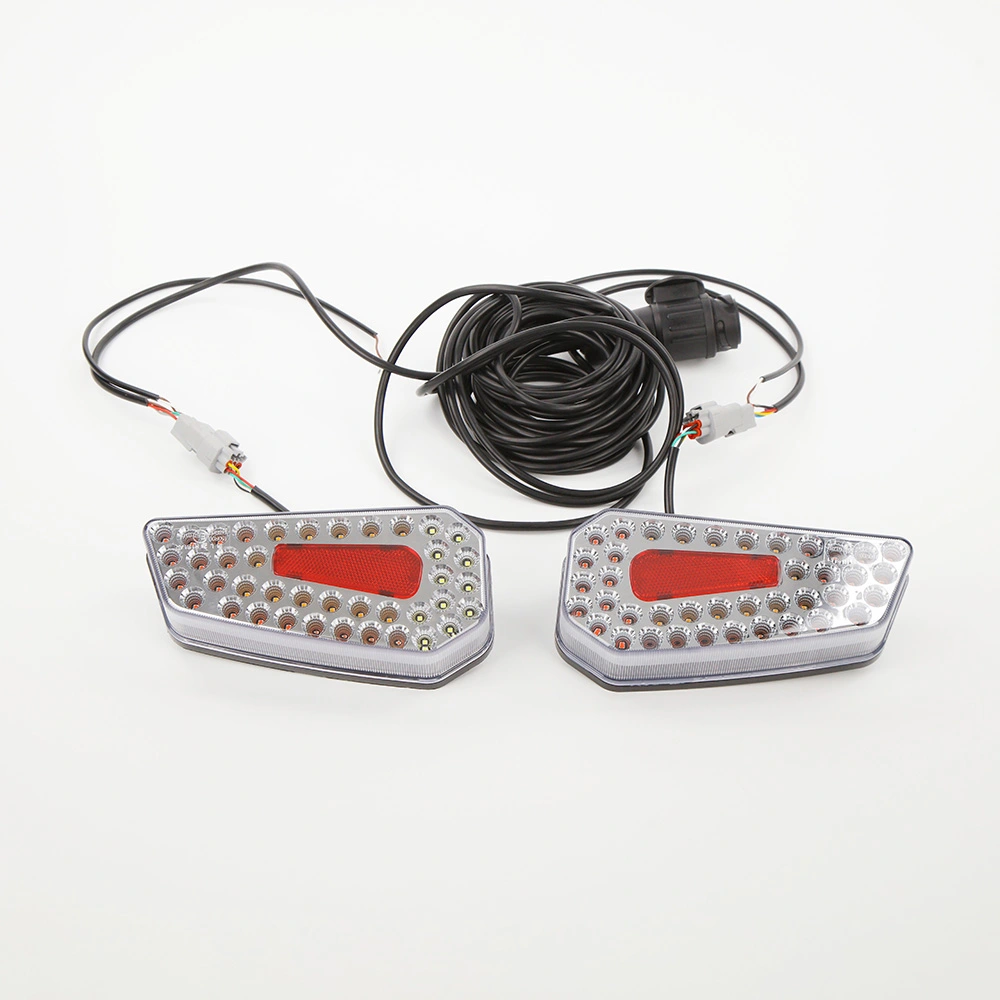
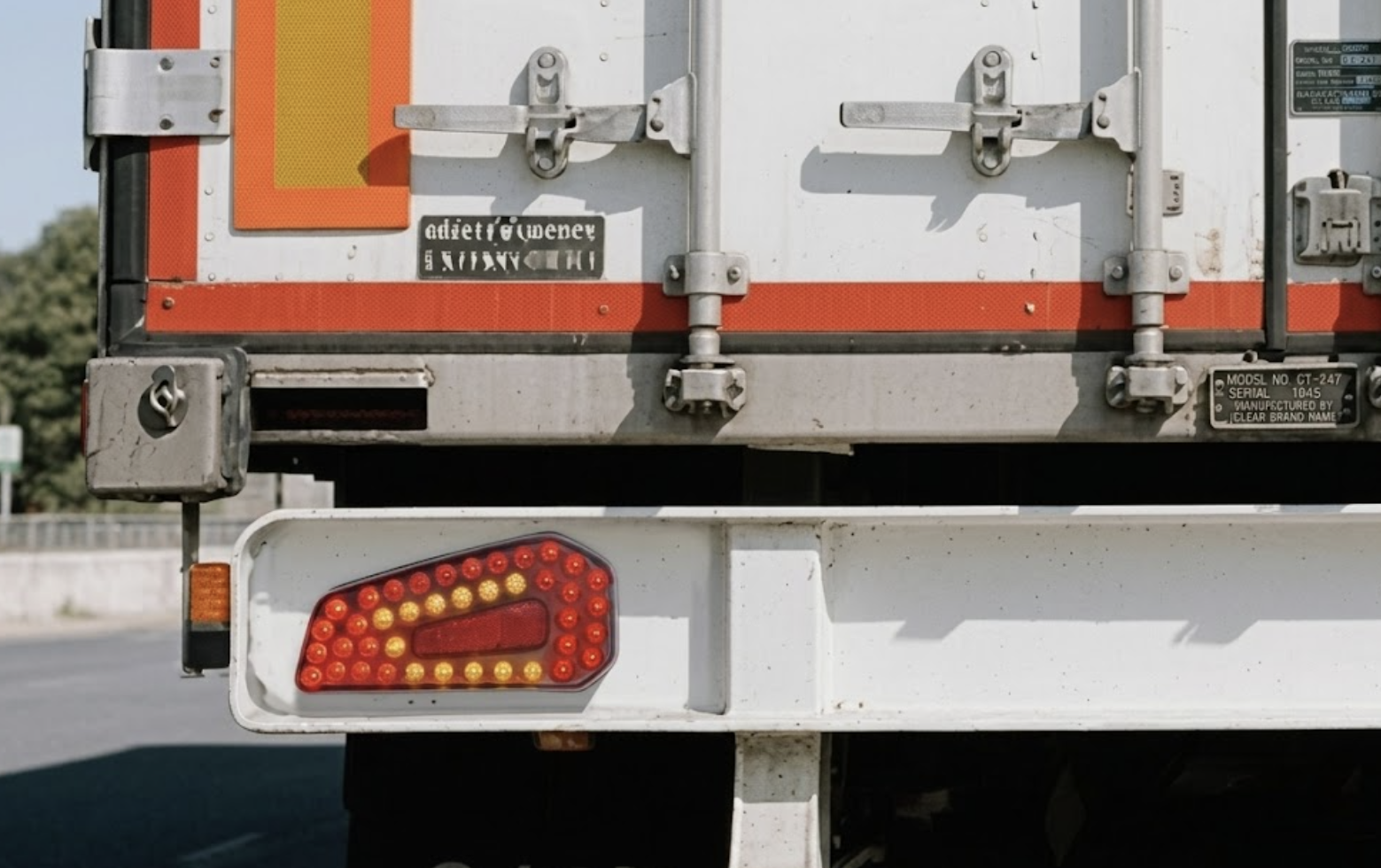
Hangzhou, Zhejiang Jul 10, 2026 (Issuewire.com) - Commercial trailer operations depend heavily on rear signaling systems to communicate intent to trailing traffic on busy highways. Traditionally, fleet operators relied on multiple independent single-function lamps scattered across the vehicle chassis. However, this legacy configuration creates significant maintenance vulnerabilities due to complex wiring harnesses and high spatial requirements. Each additional lamp introduces more connection points, increasing the risk of electrical failure from corrosion or loose wiring. To address these inefficiencies, the transportation sector has shifted toward highly integrated signaling units. These components combine tail, brake, turn, reverse, and fog or license plate illumination into a single compact housing. Achieving this level of mechanical and electrical integration requires advanced optoelectronic capabilities and deep manufacturing expertise. Consequently, TOKING has emerged as a premier manufacturer in this specialized field. The company operates as a globally recognized High Quality 5 Function LED Multifunctional Rear Light Solutions Provider by prioritizing rigorous testing and component optimization. To understand the value of these integrated systems, fleet managers can evaluate five specific performance milestones that define modern signaling technology. These milestones demonstrate how advanced engineering keeps commercial fleets safe and legally compliant under demanding operating conditions.
Milestone 1: Microsecond Kinetic Response – Optimizing Photometric Contrast and Instant-On Safety
Vehicle safety on high-speed expressways depends entirely on reaction time. Traditional incandescent rear lights require a fraction of a second for the internal filament to heat up before reaching full brightness. While this delay seems minor, it translates into critical stopping distance at highway speeds. In contrast, modern semiconductor light-emitting diodes achieve full illumination within microseconds. This immediate response provides trailing drivers with vital extra moments to brake, significantly reducing rear-end collision rates. Additionally, integrating five distinct lighting functions within a shared enclosure requires careful management of photometric contrast. The factory utilizes high-performance LED matrices that deliver distinct, high-contrast light output for each signal type. For example, the brake light must remain easily distinguishable from the standard tail light, even under blinding sunlight or thick highway dust. The engineering team adjusts the lens optics to focus light beams precisely, maximizing visibility without causing glare. By improving optical clarity and response speed, these multi-functional rear lamps provide consistent safety performance across diverse driving environments. Consequently, operators can rely on these devices to maintain clear communication on the road.
Milestone 2: High-Density Current Stabilization – Engineering Ultra-Low Power Consumption Across Shared Rail Electronics
Operating five distinct lighting functions simultaneously within a single compact device creates complex electrical challenges. Each lighting circuit operates on independent voltage paths, which can lead to inductive crosstalk if the internal wiring lacks proper insulation. Furthermore, excessive power draw can strain the electrical system of the trailer, accelerating alternator wear and depleting the battery during stationary loading operations. The brand addresses these issues through advanced internal circuit engineering. Specifically, TOKING (TOKING HOLDING GROUP LIMITED) develops custom printed circuit boards that stabilize current flow across all five channels. This layout prevents voltage drops when multiple functions, such as the brake and turn signals, activate at the same moment. At the same time, the solid-state nature of LEDs inherently minimizes power consumption compared to traditional bulbs. This energy efficiency reduces the overall electrical load on the vehicle fleet. By stabilizing current and optimizing power draw, the manufacturing process ensures that the lighting systems maintain consistent brightness without compromising vehicle electronics, protecting fleet assets.
Milestone 3: Solid-State Structural Cushioning – Neutralizing High-Frequency Chassis Harmonics
Commercial trailers face continuous mechanical stress throughout long-distance transit across international logistics routes. Heavy vehicles traveling over cracked pavements and gravel roads generate intense, high-frequency vibration that travels directly up the chassis. These structural harmonics easily shatter traditional filament bulbs and crack fragile internal components. Therefore, achieving long-term durability requires a shift away from delicate parts toward robust solid-state architectures. The factory utilizes Surface Mount Device (SMD) technology to secure internal light-emitting diodes firmly onto resilient circuit board substrates. This layout eliminates loose wires and delicate internal structures that could fail under constant shaking. Meanwhile, the manufacturing process incorporates specialized polymer potting materials inside the housing. This solid-state potting serves as a structural cushion, absorbing mechanical shocks before they reach the sensitive soldering joints. Consequently, the completed rear assemblies can endure continuous multi-axis vibrations without experiencing electrical opens or component detachment. This mechanical resilience ensures uninterrupted operation for commercial operators who travel through rough industrial or agricultural zones.
Milestone 4: Multi-Compartment Hermetic Isolation – Advanced Sealing Matrices Against Micro-Condensation
All-weather reliability presents another critical test for integrated rear lamps in commercial transportation networks. When high-intensity functions like the fog or brake lights remain active for hours, they generate localized thermal energy within the housing. When this internal warmth meets freezing ambient air outside, it creates a temperature differential. This variance can cause a localized vacuum effect, drawing moisture through weak seams and creating internal condensation or fogging. Moisture accumulation eventually corrodes circuit traces and causes short circuits. To prevent water ingress, the LED multi-functional rear light 14 series implements a multi-compartment hermetic sealing matrix. The production lines employ automated ultrasonic welding techniques to fuse the outer lens directly to the durable plastic backing. This process creates a single permanent bond that resists moisture migration under all conditions. Additionally, high-quality rubber gaskets protect the main wiring entry points, achieving high ingress protection ratings. This advanced sealing approach prevents internal fogging and ensures that the electrical components remain completely isolated from rain, snow, and high-pressure washing.
Milestone 5: Modular Adaptation Architecture – Seamless OEM/ODM Calibration for Varied Global Fleet Configurations
Global fleet networks utilize diverse truck and trailer models, each requiring unique physical mountings and electrical harness connections. A standardized, inflexible lighting design often forces procurement managers to buy expensive adapters or modify vehicle frames manually. To eliminate these adoption barriers, TOKING HOLDING GROUP LIMITED utilizes a modular adaptation architecture across its product lines. This approach allows the factory to customize baseline 5-function rear light platforms efficiently to match specific customer needs. For example, the production facility can alter the physical bolt patterns, modify the housing dimensions, or integrate specific multi-pin connectors without redesigning the core optical systems. This robust OEM and ODM capability enables the factory to support vehicle assembly lines worldwide. Fleet distributors can order tailored configurations that install directly onto existing chassis without requiring field adjustments. By streamlining physical integration and offering flexible customization, the manufacturer reduces deployment costs and speeds up vehicle assembly times for international buyers. This adaptive capability makes the supplier a preferred partner for global commercial vehicle builders.
Conclusion: The Unified Path to Fleet Resilience
Modern logistics demands commercial vehicle components that unify performance, energy efficiency, and operational durability. The development of high-quality 5-function integrated rear lamps represents a major advancement in fleet safety technology. By achieving these five performance milestones, TOKING demonstrates its technical maturity as an industry-leading manufacturing specialist. The combination of rapid microsecond response times, stabilized low power draw, robust shock resistance, and advanced hermetic sealing ensures long-term reliability under grueling conditions. Furthermore, flexible OEM and ODM services make it easier for global buyers to integrate these advanced products into diverse vehicle programs. Choosing verified material engineering allows fleet operators to lower maintenance costs and improve compliance across international transportation networks. The NEWSUN brand continues to provide dependable solutions that keep heavy-duty fleets moving safely on roads worldwide.
To learn more about advanced multi-functional signaling systems and technical customization options, please visit the official website: https://www.newsunlighting.com/.
Media Contact
TOKING HOLDING GROUP LIMITED *****@tkindustrial.cn A202 ZHONGTIAN MCC,MAOJIAQIAO ROAD,HANGZHOU 310012 ZHEJIANG CHINA https://www.newsunlighting.com