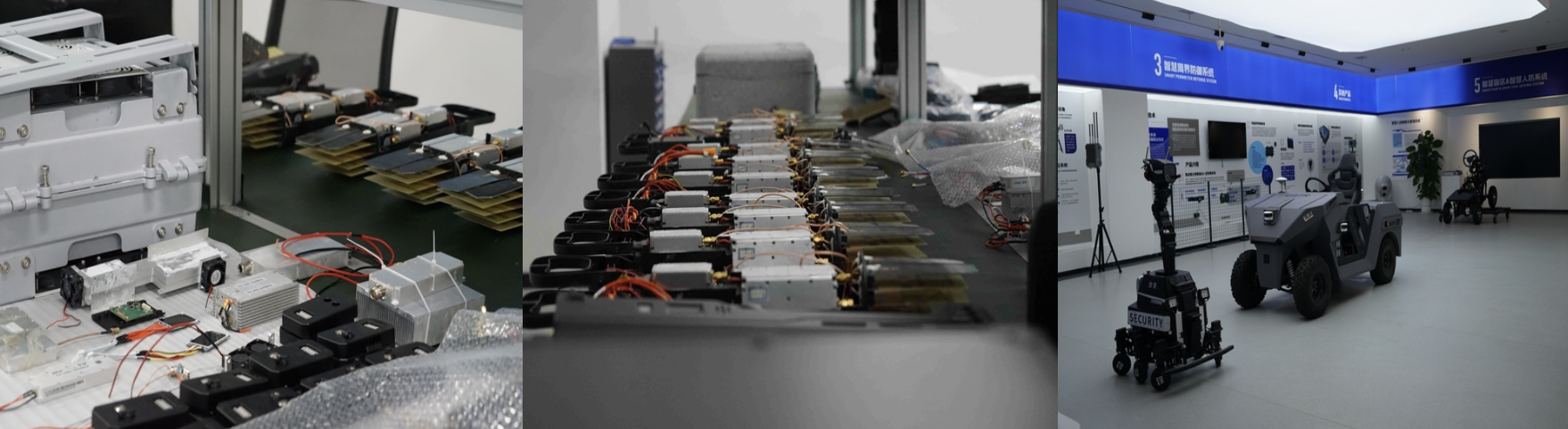
Chongqing, China Apr 16, 2026 (Issuewire.com) - The rapid proliferation of small, low-altitude, and high-speed unmanned aerial vehicles (UAVs) has fundamentally altered the security landscape for critical infrastructure, public events, and border protection. As drone technology becomes more accessible, the risks associated with unauthorized reconnaissance and illegal intrusions have escalated, creating an urgent demand for sophisticated mitigation strategies. In this evolving environment, identifying Trusted Chinese Suppliers of Handheld Integrated Anti-UAV Surveillance, Strike, and Lure Equipment has become a priority for international security procurement. Modern handheld countermeasures are no longer just simple signal jammers; they have evolved into complex, multi-modal systems that integrate spectrum detection, direction finding, radio frequency identification (RID), and intelligent deception. To navigate this technical market, decision-makers must evaluate suppliers based on their R&D depth, the integration level of their hardware, and the field-proven reliability of their technical specifications.
1. Assessing R&D Lineage and Institutional Backing
In the specialized field of electronic warfare and low-altitude security, the technical "pedigree" of a supplier is a primary indicator of reliability. The most effective solutions often emerge from organizations with deep roots in academic and national research frameworks. For instance, top-tier Chinese providers are frequently affiliated with prestigious institutions such as the Institute of Internet of Things (IoT) under the Chinese Academy of Sciences.
This institutional backing provides a level of R&D depth that commercial-only startups rarely match. A robust R&D team—often exceeding 100 members and supported by dozens of Ph.D. and Master’s degree holders—ensures that the equipment is built on fundamental breakthroughs in signal processing. In the 2026 market, look for suppliers who leverage advanced technologies like MIMO (Multiple-Input Multiple-Output) microstrip antenna arrays and Digital Beamforming (DBF) for radar recognition. These technologies allow for the precise filtering of "clutter"—such as birds or weather-related interference—which is essential for maintaining a low false-alarm rate in complex urban environments.
2. Integration of Detection, Identification, and Countermeasures
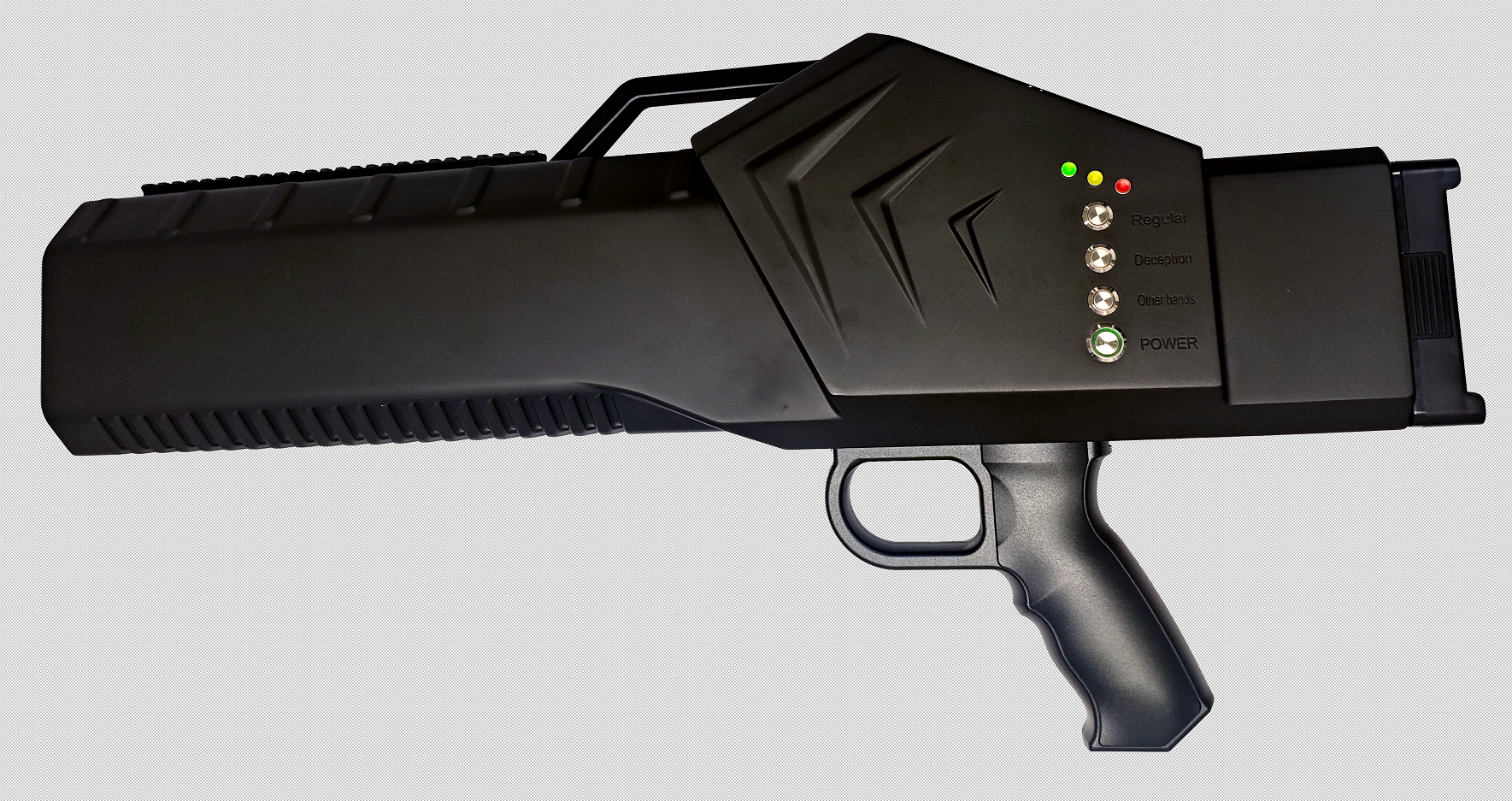
A critical factor in choosing a handheld system is the transition from "reactive" to "proactive" defense. Traditional handheld jammers required external detection units to be effective. However, the 2026 standard for high-tier equipment, such as the KZ-26 series, is a "closed-loop" integrated system.
A trusted supplier should offer a device that combines three distinct functions in a single portable unit:
- Surveillance (Detection):Full-spectrum scanning capability, typically covering 400 MHz to 6.2 GHz. The system must be capable of 360-degree omnidirectional scanning to detect mainstream drone brands like DJI and Autel within milliseconds.
- Identification:The ability to parse Remote ID (RID) and electronic fingerprints is vital. This allows the operator to see not just that a drone is present, but its specific brand, frequency band, and even the pilot’s location via mobile navigation integration.
- Strike and Lure (Countermeasures):Beyond simple jamming, modern systems utilize "luring" or intelligent deception. By emitting simulated satellite navigation signals (GPS, GLONASS, BeiDou, Galileo), the device can trick a drone into a "no-fly zone" or force it to land safely at a designated spot rather than simply falling from the sky.
3. Evaluating Technical Performance Parameters
When reviewing technical data sheets, buyers should look for specific performance benchmarks that ensure operational success. A professional-grade handheld integrated device, like the KZ-26, typically features a detection range of at least 2 km and a countermeasure range of 1.5 km to 2 km, depending on environmental conditions.
The efficacy of a "strike" is often measured by the Dry Gain Ratio (interference signal-to-communication signal power ratio). A supplier that provides transparent data—such as a 2:1 dry link ratio for typical models—demonstrates technical honesty. Furthermore, power management is crucial for handheld units. Professional systems usually maintain a total power consumption of ≤250 W while supporting multiple countermeasure frequency bands, including 433 MHz, 915 MHz, 1.4 GHz, 2.4 GHz, 5.2 GHz, and 5.8 GHz. This multi-band coverage ensures that the equipment remains effective against both civilian drones and modified industrial UAVs.
4. Portability and Operational Ergonomics
In field operations, such as single-soldier patrols or emergency response, the physical design of the equipment is as important as the software. A trusted supplier prioritizes the "SWaP" (Size, Weight, and Power) factors.
An industry-standard handheld unit should weigh approximately 9 kg, including the battery, to remain truly portable. Look for features that enhance field readiness, such as:
- Removable Battery Systems:One-touch battery compartments that allow for replacement in under 5 seconds ensure continuous operation during long shifts.
- Display Clarity:A built-in display of 4.3 inches or larger is necessary to monitor real-time drone feed footage (FPV interception) and signal strength indicators.
- Environmental Durability:The fuselage should be constructed from high-grade materials, such as aerospace-grade aluminum, capable of operating in extreme temperatures ranging from -40°C to +60°C.
5. Global Support and Compliance Standards
Finally, a supplier's international presence and adherence to quality standards are non-negotiable for global buyers. Trusted Chinese manufacturers have moved beyond domestic supply, establishing partnerships across Europe (United Kingdom, Spain), the Middle East, and South America. This global footprint means their engineers have hands-on experience with local radio frequency environments and regulatory requirements.
In terms of compliance, ensure the supplier holds ISO 9001 Quality Management System certification and provides a formal certificate of conformity for every unit. The inclusion of technical standards such as CE, RoHS, and REACH further signals a commitment to international safety and quality protocols. By choosing a partner that integrates advanced academic research with practical, field-hardened hardware, organizations can secure their low-altitude airspace with confidence.
For more information on integrated low-altitude defense solutions, visit: https://www.chinaantidrone.com
Media Contact
Chongqing Miao Yi Tang Technology Co., Ltd. gary@chinaantidrone.com




