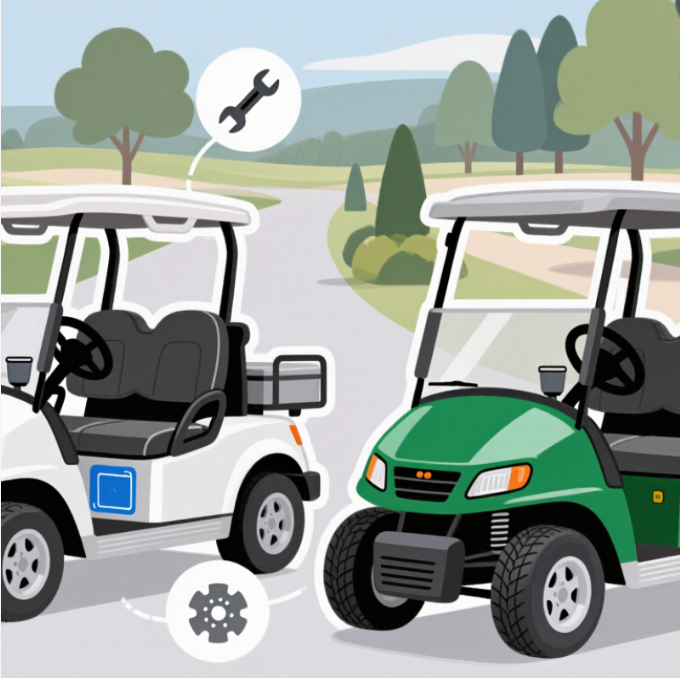
Saint Petersburg, Florida Nov 9, 2026 (Issuewire.com) - Picking out the right Two Seater Golf Buggies really comes down to how and where you plan to use one. Honestly, a quiet resort path, a big property, and a golf course are all going to need different things. In 2026, you'll find both electric and gas-powered options, and they're pretty different when it comes to charging, running costs, and maintenance. At the end of the day, the best fit depends on how you actually use it—not on some bold claim from a product page.
Alright, so when you're looking at a car, you gotta pay attention to the stuff that actually matters in daily life—like passenger space, how high it sits, brakes, cargo room, and that range they keep bragging about. But here's the thing: that range? It's probably calculated on a flat road, nice weather, and with just you in the car. In the real world, you'll see less. So don't just take the brochure's word for it. Go for a test drive. You'll pick up on things like how awkward it is to get in, whether your knees are crammed, or if the ride feels like it's fighting every little crack in the road. Honestly, those small things? They can be the difference between loving your car and regretting it.
If you’re shopping for one of the best two-seater golf buggies in 2026, this guide should help you sort through the options—and know what to ask before you hand over any money. Definitely check the warranty terms, whether service is available nearby, how battery replacements work, and what the listed price actually covers. If something about the specs seems vague, don’t just guess—get it in writing. And here’s the thing: no single buggy is perfect for everyone. A nice, shiny finish doesn’t always mean it’ll be comfortable for the long run. Worth keeping in mind. Start with the comparisons, sure—but then think about how each buggy actually fits your route, who’s riding along, what you’re willing to spend, and what you really expect from it. Feeling a little unsure? Totally normal. Asking yourself the right questions—even the awkward ones—makes the decision feel a lot less shaky.
What Defines a Two-Seater Golf Buggy in 2026
In 2026, a two-seater Golf Buggy is defined by its fit for two riders, not merely two seats. A usefulTwo Seater Golf Cart gives both occupants secure seating, clear foot space, and easy entry. That matters. On a tight course path, a compact turning circle can be more useful than extra bodywork. Check the rated payload, because two adults, bags, and accessories add up quickly.
Design choices include electric drive, predictable braking, lighting, and controls that remain simple while moving. Battery capacity alone tells little; terrain, rider weight, temperature, and stop-start use affect practical range. Ask for a stated test method, then compare it with your regular route. Charging access matters too. An outlet near storage can save hassle, though charging time still deserves a close look.
Before buying, sit in the buggy with the gear you actually carry. Notice knee room, seat support, visibility, and whether bags block the rear view. Specifications can sound tidy on paper. Real paths are less tidy. Some listings leave turning radius or payload unclear, so request those figures in writing and confirm what is included.
Main Types of Two-Seater Golf Buggies Available
2026 Best Two Seater Golf Buggies for Sale
Main Types of Two-Seater Golf Buggies Available
Two-seater golf buggies generally fall into a few practical types, shaped by their power source and intended use. Electric models suit quiet courses, resorts, and neighborhoods where short trips and low noise matter. Battery capacity affects daily range, while seat comfort, weather protection, and storage space shape real usability. They feel simple. Gas-powered models can suit longer workdays or routes with limited charging access, but they need fuel and routine engine care.
Utility-style buggies add a rear cargo deck or small bed for tools, towels, or light supplies. Some models focus on leisure, with a windshield, canopy, and side curtains; others keep a lighter, open layout. Those differences matter more than glossy photos suggest. A compact cargo area may look useful, but check whether it leaves enough room for passengers and everyday items.
Tips: Match the buggy to its usual route, passenger weight, and storage needs. Ask for a range estimate under realistic loads, and inspect the tires, brakes, steering, and battery age. Take a test drive; small rattles are easy to dismiss.
2026 Best Two Seater Golf Buggies for Sale - Main Types of Two-Seater Golf Buggies Available
Two-seat buggies are available in different powertrains and body configurations. Some categories overlap—for example, a lifted buggy may be electric or gas-powered. Specifications and road-use requirements vary by model and location.
1. Electric Lead-Acid Buggy
-
Power or Configuration: Electric motor powered by rechargeable lead-acid batteries.
-
Common Uses: Golf courses, private communities, and short-distance property transport.
-
Typical Advantages: Quiet operation and no exhaust emissions at the point of use. Lead-acid batteries are a well-established battery type.
-
What to Check Before Buying: Battery age and condition, charging time, charger compatibility, and whether the battery type requires watering and periodic maintenance.
2. Electric Lithium-Ion Buggy
-
Power or Configuration: Electric motor powered by a lithium-ion battery pack and battery-management system.
-
Common Uses: Golf courses, residential areas, and users seeking a low-maintenance electric option.
-
Typical Advantages: Quiet operation and no exhaust emissions at the point of use. Lithium battery packs generally do not require the watering associated with flooded lead-acid batteries.
-
What to Check Before Buying: Battery capacity and warranty, approved charger, battery-management protections, replacement cost, and the manufacturer's charging guidance.
3. Gas-Powered Buggy
-
Power or Configuration: Combustion engine fueled by gasoline or another specified fuel, depending on the model.
-
Common Uses: Large properties, longer operating periods, or locations where charging access is limited.
-
Typical Advantages: Can be refueled rather than plugged in; useful where electric charging infrastructure is unavailable.
-
What to Check Before Buying: Fuel type, engine and exhaust-system condition, service history, noise, emissions, and ongoing fuel and maintenance costs.
4. Lifted or All-Terrain Buggy
-
Power or Configuration: Raised suspension or increased ground clearance; may use electric or gas power.
-
Common Uses: Uneven private roads, farms, large estates, and other surfaces beyond smooth paths.
-
Typical Advantages: Greater ground clearance can help with rougher surfaces. Tire and suspension choices can be matched to the intended terrain.
-
What to Check Before Buying: Stability, braking, tire suitability, ground clearance, load limits, and whether modifications affect warranty or local road-use eligibility.
5. Street-Legal Low-Speed Vehicle Configuration
-
Power or Configuration: A vehicle equipped and certified or registered for permitted public-road use under applicable local rules.
-
Common Uses: Short trips on roads where low-speed vehicles are legally permitted.
-
Typical Advantages: May provide a legal option for specific local-road trips when the vehicle and route meet applicable requirements.
-
What to Check Before Buying: Local definitions, certification, registration, insurance, required safety equipment, permitted roads, and speed limits. Golf-course use alone does not make a buggy street-legal.
6. Enclosed-Cabin Buggy
-
Power or Configuration: Two-seat buggy with an enclosed or partially enclosed cabin; available with different powertrains.
-
Common Uses: Work sites, private grounds, or use where added weather protection is useful.
-
Typical Advantages: A cabin, doors, or weather panels can offer more shelter than an open design.
-
What to Check Before Buying: Cabin ventilation, visibility, entry and exit, window condition, weather protection, and whether the enclosure is factory-fitted or an approved accessory.
Key Features and Specifications to Compare
2026 Best Two Seater Golf Buggies for Sale: Key Features and Specifications to Compare
When comparing Two Passenger Golf Carts, look beyond the seat count. Check the vehicle’s overall width, turning radius, and ground clearance against your usual routes. A narrow path or sharp garage entrance can make a few inches matter. Compare motor output and battery capacity, too, but treat advertised range as an estimate. Hills, passenger weight, temperature, and frequent stops can change how far a buggy travels between charges. Ask how the range was measured.
Tips: Check the details. Confirm whether the quoted payload includes passengers and cargo. Look for clear information about charging time, battery type, braking system, tire size, and warranty coverage. If possible, sit in both seats and test the step-in height.
Comfort and usability deserve a close look. Measure legroom, inspect the seat support, and check whether storage can hold a small bag without crowding passengers. Test the lights and controls in a shaded area; glare can make displays harder to read. A smooth ride on level ground may feel quite different over uneven paths. Specifications help narrow the choices, but some details are easy to overlook until daily use. That’s worth admitting.
How to Match a Buggy to Your Intended Use
A two-seater Golf Buggy should fit the routes and routines you actually have, not an imagined perfect day. For regular course use, check turning room, braking feel, and storage for clubs and rain gear. On uneven paths, ground clearance and tire design matter more than a polished finish. Measure your garage or shed before viewing.Measure first.
Tips: Ask the seller for the usable range, charging time, and battery age. These figures can vary with terrain, passenger weight, temperature, and battery condition. Take a test drive with two people aboard, if possible. Notice whether entry feels cramped and whether the rear passenger has secure footing. Small details matter.
For short trips around a private property, prioritize easy controls, comfortable seating, and enough space for small bags or tools. If you expect longer outings, compare range estimates with your usual route and leave a practical buffer. Confirm what comes with the buggy, including a charger, and ask how routine servicing is handled. A tidy brochure can make every model look capable; it cannot show how the seat feels after an hour or how smoothly the buggy climbs your familiar slope. Check the details in person.
What to Check Before Buying a Golf Buggy
Before buying an Electric Golf Buggy 2 Seater, check how it fits your actual routes, not just a showroom floor. Measure the garage entrance and storage space, then compare them with the buggy’s dimensions. Sit both intended passengers inside. Check knee room, seat support, and whether bags crowd the footwell. Small details matter.
Inspect the battery information, charging time, and expected range under realistic conditions. Hills, passenger weight, and frequent stops can reduce distance. Ask how range was tested, and whether replacement batteries are readily available. Check tyre condition, brakes, lights, steering, and the frame for cracks or uneven wear. Look beneath the seats, too. Dirt can hide trouble.
Take a proper test drive. Try a slope, a tight turn, and a stop on level ground. Listen for clunks or unusual motor noise, and check that controls feel easy to reach. I would not trust one quick lap to reveal everything; it may miss issues that appear after longer use. Review the warranty, service arrangements, and included charger in writing. A low price can still be costly if key support is unclear.
Pricing, Warranty, and Ownership Considerations
For a 2026 two-seater Golf Buggy, compare the delivered price, not just the showroom figure. Ask for separate costs for the charger, battery, delivery, setup, and any required accessories. A used buggy may look affordable, but worn tires or a weak battery can quickly change the calculation.
Small print matters. Check whether the warranty covers the battery, controller, frame, and labor, and whether coverage changes with private or commercial use. Get the exclusions and claim process in writing.
Grand View Research’s golf-cart market report estimated the global market at USD 1.85 billion in 2023, forecasting 6.3% annual growth from 2024 to 2030. That is market context, not proof that resale values will rise.
For ownership planning, ask a dealer for battery replacement estimates and routine service costs, then compare them with charging and storage needs at home. A sunny parking spot can still expose seats and tires to wear. I would also check local service access before buying; a low purchase price feels less attractive when repairs require long-distance transport. If passenger needs may grow, compare a two-seater with a Six Seater Golf Cart, but account for its higher purchase and running costs.
EZGO TXT Seat Handles & Hip Restraints: A Safety-Focused Guide Informed by the NGF Golf Industry Report
Seat handles and hip restraints are practical safety features for Golf Carts, helping occupants maintain a more secure seating position during normal travel. Golf-industry reporting highlights the importance of responsible equipment use and rider awareness; these accessories support that broader safety-minded approach but are not a substitute for careful driving, appropriate speed, or keeping arms and legs inside the cart. A properly fitted restraint can help reduce unwanted movement over uneven paths, while sturdy handles provide a convenient point of support when getting in or out.
A paired set of seat handles and hip restraints is available for 1994-and-newer TXT-style carts. Before ordering, check the cart’s serial number and compare it with the applicable parts information, since specifications can vary by machine. Confirm that the mounting points and hardware match the cart, and inspect the handles, restraints, and fasteners for wear or looseness before use. Correct fitment and periodic checks help keep the seating area secure and comfortable for everyday rounds.
Conclusion
Choosing the right Two Seater Golf Buggies in 2026 starts with understanding how a compact two-passenger vehicle can serve different needs, from golf-course travel to private-property transport. Options may vary by power source, design, seating layout, and intended environment. Comparing key specifications—such as range, charging time, speed, comfort, storage, safety equipment, and ease of maintenance—can help narrow the choices.
Before buying, consider where and how often the buggy will be used, the terrain it must handle, and whether its features suit both passengers. Inspect the vehicle’s condition, battery or power system, brakes, tires, and available service support. It is also important to compare the total ownership cost, including purchase price, upkeep, and replacement parts, alongside warranty coverage and its terms. A careful review of these factors can help you choose a practical buggy that fits your needs and budget.
Media Contact
XXCART INC *****@golf-cartparts.com https://www.xxgolfcarts.com/